
Affordable DIY Home Staging Tips to Make Your Home Shine on a Budget

A well-staged home does not need designer furniture or a big shopping trip. In many cases, the most effective changes are free: clearing surfaces, improving flow, letting in more light, and helping buyers see how each room works.
The National Association of Realtors has reported that staging can help buyers picture a property as their future home. That matters because many buyers decide how they feel about a space within minutes. The goal is not to make the home look expensive. The goal is to make it feel clean, cared for, and easy to live in.

Start with decluttering before spending money
Decluttering gives the biggest return because it changes how large and calm a room feels. It also costs nothing except time.
Begin with anything that distracts from the room itself. Pack away personal photos, extra collectibles, stacks of mail, fridge magnets, and countertop appliances you rarely use. Buyers do not need to see every storage solution or hobby. They need to see clear counters, open floor space, and enough storage for their own belongings.
A simple rule works well: remove about one-third of what is visible in each room. That does not mean emptying the home. It means giving each piece room to breathe.
Focus on these high-impact areas:
Kitchen counters
Keep out only one or two useful items, such as a coffee maker and a bowl of fruit.
Bathroom surfaces
Store toothbrushes, razors, medications, and half-used products out of sight.
Entryway
Limit shoes, coats, bags, and pet items so the first impression feels tidy.
Closets
Buyers open closets. Leave space between hangers and clear the floor when possible.
Use inexpensive bins, baskets, or cardboard boxes to sort items into keep, donate, sell, and pack. If the home is going on the market soon, pre-packing seasonal clothes, books, and extra dishes can make moving easier later.
Rearrange furniture to improve flow
Furniture placement can make a room feel open or cramped. The best layout guides people naturally through the space.
Walk through each room as if arriving for the first time. If a chair blocks a doorway, a coffee table squeezes the path, or furniture lines every wall, try a new arrangement. In living rooms, pull seating into a conversation area instead of pushing every piece against the wall. Leave clear walkways, usually about 30 inches where possible, so the room feels easy to move through.
In bedrooms, make the bed the main feature. Center it on the most visible wall if the layout allows. Use matching or similar lamps on both sides, even if the nightstands do not match. Balance matters more than perfection.
If a room has too much furniture, remove one piece. A spare chair, bulky cabinet, or extra side table may be useful day to day, but it can make square footage feel smaller in listing photos.

Use inexpensive decor with a clear purpose
Decor should support the room, not compete with it. A few affordable pieces can add warmth, color, and texture.
Good budget options include:
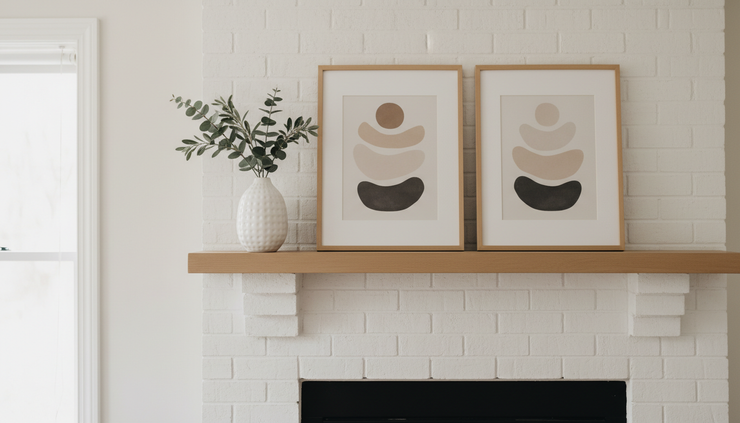
Fresh or realistic faux greenery in a plain vase
Neutral throw pillows with one accent color
A clean shower curtain
White or light-colored towels
A simple area rug to define seating
Framed prints from public-domain art sources
A bowl of lemons, apples, or pears on a kitchen island
Stick with a limited color palette. For example, use warm white, soft gray, natural wood, and touches of green. Repeating colors from room to room makes the home feel more connected.
Lighting is another low-cost upgrade. Replace burned-out bulbs, use the same bulb temperature in each room, and open curtains before showings. Soft white bulbs often feel warmer in living areas, while clean bright light works well in kitchens and bathrooms. Avoid mixing cool blue light with yellow light in the same space, since it can make photos look uneven.
Small textiles can also refresh a room. New pillow covers, a folded throw blanket, or crisp bedding often cost far less than new furniture but make the space look more polished.
Highlight the best features already in the home
Every home has something worth showing off. It may be a fireplace, hardwood floors, natural light, built-in shelving, a large kitchen window, or a cozy breakfast nook.
The key is to remove anything that hides that feature.
If the room has a fireplace, clear the mantel and arrange seating so the fireplace becomes a focal point. If there are hardwood floors, use a smaller rug or remove a worn one so more flooring shows. If the home has large windows, wash the glass, pull back heavy curtains, and trim any indoor plants that block light.
Built-in shelves can look cluttered fast. Keep them simple with a mix of books, one or two framed pieces, and a small plant. Leave empty space. Empty space looks intentional when the items around it are neat.
For kitchens, highlight function. Clear the sink, wipe cabinet fronts, and place one attractive item where the eye lands, such as a wooden cutting board or a vase with greenery. For bathrooms, aim for a hotel-clean feel with fresh towels, a clean mirror, and no visible personal items.
Make curb appeal part of the staging plan
Buyers form an opinion before they step inside. Basic curb appeal can be affordable and powerful.
Sweep the walkway, clean the front door, shake out or replace the doormat, and remove dead plants. If the porch has room, add one chair or a planter. Choose healthy, low-cost seasonal plants from a local garden center rather than filling the space with too many pots.
A fresh front door can also make a big difference. If painting is allowed and the door needs it, choose a classic color that fits the exterior. Even polished hardware, clean house numbers, and working porch lights help the home feel maintained.

FAQ
How much should I spend on DIY home staging?
Spend first on cleaning, repairs, and small visual updates. Many homes can look noticeably better with a modest budget for light bulbs, fresh towels, pillow covers, plants, and storage bins.
What should I remove before showings?
Remove personal photos, excess decor, countertop clutter, pet items, laundry, mail, and anything that makes rooms feel crowded. Store valuables and medications securely.
Do I need to stage every room?
Focus on the main spaces first: living room, kitchen, primary bedroom, bathrooms, and entryway. These areas tend to shape the strongest buyer impressions.
What colors work best for budget staging?
Neutral colors usually work well because they let buyers focus on the home. Use white, cream, gray, beige, natural wood, and small accents of blue, green, or black.
Can I use items I already own?
Yes. Rearranging furniture, editing decor, borrowing a lamp from another room, or using clean bedding can make a room feel staged without buying much.
If you are preparing to sell and want guidance on where staging will matter most, contact Lysne Realty for practical home-selling advice.
The best affordable staging starts with resourcefulness. Clean what you have, remove what distracts, arrange rooms with purpose, and add only the small touches that help buyers understand the space. A home does not need to look perfect to shine. It needs to feel welcoming, cared for, and easy to imagine living in.


Comments