
Tiny Homes: Trend or Fad?
- Lysnel Gutierrez

- Jun 10
- 2 min read
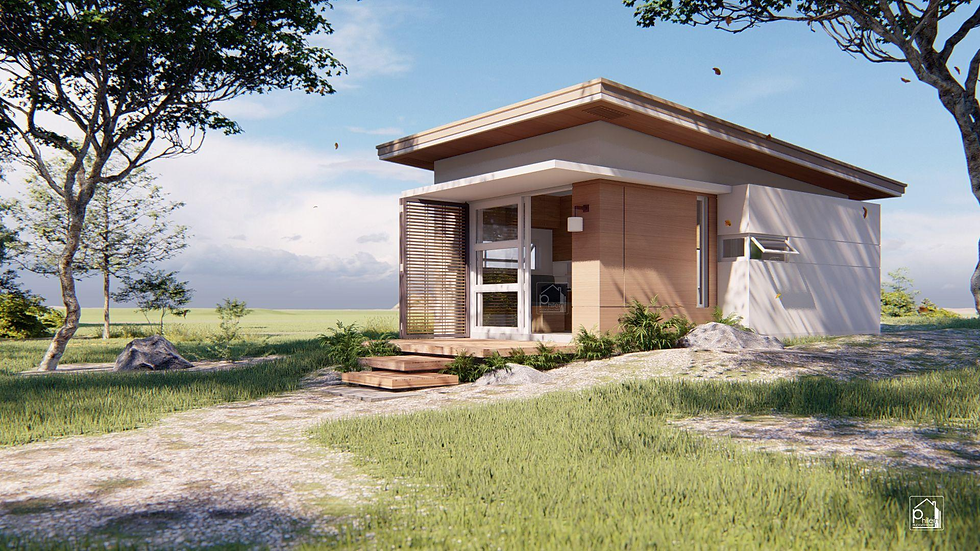
Tiny homes have captured the attention of homeowners, builders, and media outlets for more than a decade. Typically ranging from 100 to 400 square feet, these compact residences offer a minimalist lifestyle and an alternative to traditional housing. But are tiny homes a lasting trend or simply a passing fad?
What Is a Tiny Home?
A tiny home is a small, efficient dwelling designed to maximize functionality while minimizing space. Some are built on permanent foundations, while others are constructed on trailers for mobility. Despite their size, many tiny homes include kitchens, bathrooms, living areas, and sleeping spaces.
Why Tiny Homes Became Popular
Several factors contributed to the rise of the tiny home movement, including increasing housing costs, a desire for financial freedom, environmental awareness, and interest in minimalist living. Many people are attracted to the idea of owning a home with lower expenses and fewer possessions.
Affordability Advantages
One of the biggest appeals of tiny homes is affordability. Smaller homes generally require less material to build, lower utility costs, and reduced maintenance expenses. For some buyers, a tiny home can provide a path to homeownership that might otherwise be unattainable.
Environmental Benefits
Tiny homes often consume less energy and water than traditional houses. Their smaller footprint can reduce resource consumption, making them an attractive option for environmentally conscious homeowners seeking a more sustainable lifestyle.
The Appeal of Minimalism
Many tiny home owners embrace a simpler way of living. Limited space encourages thoughtful purchasing decisions, reduced clutter, and a focus on experiences rather than possessions.
Challenges of Tiny Home Living
While tiny homes offer benefits, they are not ideal for everyone. Common challenges include:
Limited storage space
Reduced privacy
Zoning and building code restrictions
Difficulty accommodating growing families
Financing and insurance challenges in some areas
These factors can make tiny home ownership more complicated than traditional housing.
Growing Acceptance in Housing Markets
Many communities are beginning to recognize the role tiny homes can play in addressing housing shortages and affordability concerns. Some municipalities have updated regulations to allow accessory dwelling units (ADUs) and tiny home developments.
Tiny Homes as Secondary Residences
Rather than serving as primary residences, many tiny homes are being used as guest houses, vacation rentals, home offices, backyard studios, or accessory dwelling units. This flexibility has expanded their appeal beyond the minimalist lifestyle movement.
The Influence of Sustainability Trends
The growing focus on sustainability, energy efficiency, and reduced environmental impact continues to support interest in smaller living spaces. Tiny homes align with many of these values and may remain attractive to environmentally conscious buyers.
Trend or Fad?
While the intense media attention surrounding tiny homes may have peaked, the concept itself appears to have lasting relevance. Tiny homes are unlikely to replace traditional housing, but they have established a niche within the broader housing market. Their affordability, flexibility, and sustainability continue to appeal to specific groups of buyers.
Conclusion
Tiny homes are more than a temporary fad, but they are also not a universal housing solution. They represent a growing segment of the real estate market that appeals to individuals seeking affordability, simplicity, flexibility, and sustainable living. As housing needs evolve and communities explore innovative housing options, tiny homes are likely to remain an important part of the conversation about the future of residential living.


Comments