
Why You Should Avoid Big Purchases Before Closing on a Home

A mortgage approval is not final until the loan funds and the home closes. That gap matters. A new car, furniture set, appliance package, or credit card balance can create problems at the worst time.

Big purchases can change your loan approval
Lenders approve a mortgage based on a full financial picture. That includes income, debts, credit history, cash reserves, and the amount needed for closing.
Before closing, that picture should stay as stable as possible.
Many buyers think approval means the loan is locked in. It does not. Lenders can check credit again before closing. They may also verify employment, bank balances, and recent debts.
A large purchase can raise questions such as:
Did monthly debt increase?
Did the buyer open a new credit account?
Did available cash drop?
Did the credit score change?
Can the buyer still meet loan requirements?
Even if the purchase feels manageable, the lender uses strict rules. A small shift can delay closing or force a new review.
This is why you should avoid big purchases before closing on a home. The goal is simple. Keep the file clean until the keys are yours.
New debt can hurt your debt-to-income ratio
Your debt-to-income ratio compares monthly debt payments to monthly income. Lenders use this number to decide how much mortgage you can handle.
A new monthly payment can push that ratio higher.
Common problem purchases include:
A car or truck loan
A furniture financing plan
New appliances bought on credit
A personal loan
A large credit card balance
Store credit for home items
A car payment is one of the riskiest moves before closing. It can add hundreds of dollars to monthly debt. That may be enough to affect qualification.
Furniture financing can cause the same issue. A “no payments for 12 months” offer may still appear as new credit. The lender may count it. The underwriter may also ask for details, which can slow the file.
Cash purchases can matter too. If closing funds or reserves drop, the lender may need updated bank statements. If the remaining balance is too low, approval may become harder.

Credit changes can create last-minute problems
Large purchases often affect credit in more than one way.
Opening a new account can trigger a hard inquiry. That may lower a credit score. Running up a credit card can raise credit utilization. That can also lower a score.
Credit utilization is the share of available revolving credit being used. If a card has a $10,000 limit and the balance rises to $7,000, the utilization is high. Lenders notice that.
A lower score can affect:
Loan approval
Interest rate
Mortgage insurance costs
Loan program eligibility
Required documentation
The result may not be a simple “yes” or “no.” It may be a delay. But delays matter. Sellers expect closing to happen on time. Moving plans depend on the date. Rate locks can expire.
A lender may also ask for a letter of explanation. That creates more work and more review. If the purchase was made with borrowed money, the lender may need to recalculate the loan file.
The safest move is to avoid any new credit activity until after closing.
Keep your cash stable and easy to document
Cash is not just for the down payment. It also covers closing costs, prepaid taxes, insurance, moving expenses, and reserves if required.
The lender needs to see where money comes from and where it goes. Large deposits can require documentation. Large withdrawals can raise questions.
During the closing period, avoid moving money around without asking the lender first.
Good rules to follow:
Keep funds in the same verified accounts.
Do not make large cash deposits.
Do not transfer large amounts between accounts unless needed.
Do not drain savings for furniture or repairs before closing.
Do not co-sign a loan for anyone.
Do not quit or change jobs without lender guidance.
Even a well-intentioned move can cause delays. For example, moving money from a savings account to a checking account may be fine. But the lender may need to trace it. That can add paperwork close to the deadline.
The best financial move before closing is often no move at all.
This does not mean every transaction is a problem. Normal spending is expected. Pay bills. Buy groceries. Cover regular expenses. The issue is anything large, new, or hard to explain.

What to do instead of making big purchases
The waiting period before closing can be stressful. Many buyers want to prepare the new home right away. That is normal. But it is better to plan now and buy later.
Use this time to get organized.
Start a post-closing wish list. Separate needs from wants. A refrigerator that must be replaced is different from a new sectional sofa.
Get estimates without applying for financing. You can compare prices and plan a budget without opening credit.
Talk to your lender before making any large financial move. Ask before buying a car, changing jobs, paying off debt, transferring money, or accepting gift funds. Some actions help. Others create new problems.
Keep paying bills on time. Late payments before closing can damage credit and create serious concerns.
Preserve your savings. Keep enough money for closing costs and early homeownership expenses. After closing, repairs and small surprises are common.
If a purchase cannot wait, ask your lender first. Get guidance in writing when possible. Do not guess.
This article is for general information only. It is not financial, legal, or lending advice. Your lender, loan officer, or financial advisor can explain how a specific purchase may affect your situation.
FAQ
Can I buy furniture before closing if I pay cash?
Maybe, but it can still be risky. If the purchase reduces funds needed for closing or reserves, the lender may have concerns. Ask your lender first.
Can I use my credit card before closing?
Use it only for normal spending and keep balances low. Avoid large charges. Do not open new cards or store accounts.
Will the lender check my credit again before closing?
Many lenders do a final credit check or debt review before closing. New accounts, inquiries, or higher balances can create problems.
Is it okay to pay off debt before closing?
Do not pay off debt without asking your lender. It may help in some cases, but it can also reduce cash needed for closing.
When is it safe to make big purchases?
Wait until the home has closed, the loan has funded, and you have the keys. Then review your budget before taking on new debt.
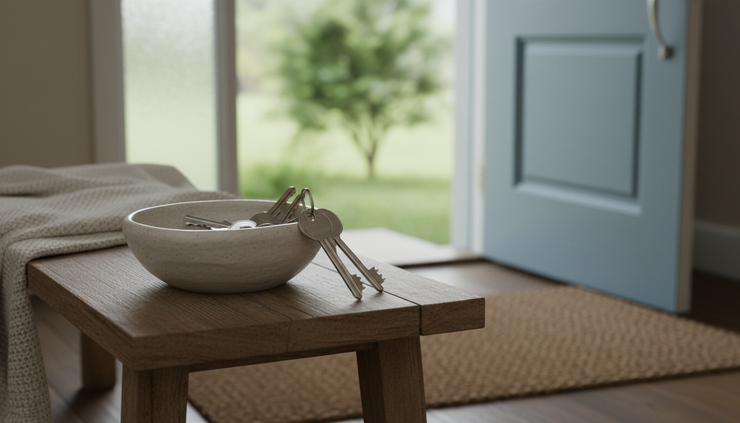
Keep the finish line clear
The closing period is not the time to test your loan approval. Keep income steady. Keep credit quiet. Keep cash in place. Avoid large purchases until the deal is done.
If questions come up before closing, get advice before acting. For help planning a smooth home purchase, contact Lysnel Realty.


Comments